Luis Enrique, Football Criticism, and the Problem with “Too Open” Games
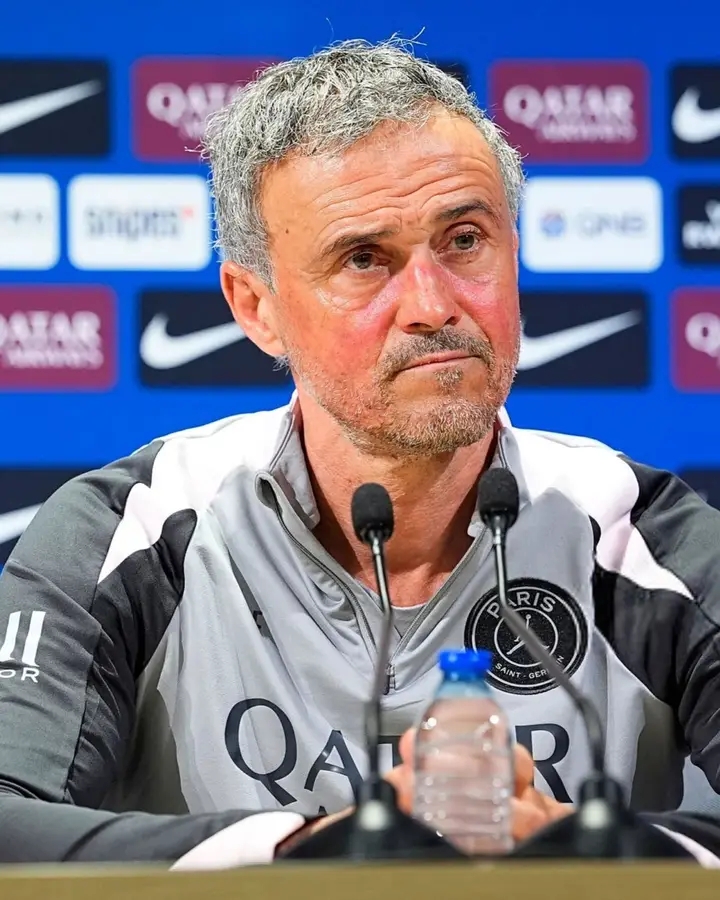
When Luis Enrique responded to criticism of the PSG vs Bayern clash being “too open” with poor defending, he didn’t attempt to soften his words or hide behind diplomatic language. Instead, he went straight to the core of the issue, dismissing the criticism outright and challenging the idea that every opinion deserves respect. It was blunt, controversial, and entirely consistent with a manager who has always valued clarity over consensus.
The match itself represented everything that divides football opinion today. It was fast, chaotic, full of attacking intent, and at times defensively vulnerable. For some analysts, that lack of control signaled a tactical deficiency. In more traditional football thinking, structure and defensive solidity are seen as the foundation of quality, and any deviation from that can be interpreted as a flaw. But that interpretation depends heavily on what one believes football should prioritize control or entertainment.
Luis Enrique’s philosophy has never been rooted in fear of exposure. His approach accepts risk as part of the attacking equation. When two elite sides like PSG and Bayern face each other with similar intent, the result is not necessarily poor defending but rather the collision of two aggressive systems unwilling to retreat into caution. What critics describe as “openness” can just as easily be seen as ambition meeting ambition.
His response also reframes the conversation around the audience. Football is no longer just a tactical contest played for purists; it is a global spectacle consumed by millions who crave excitement. High-scoring, end-to-end matches drive engagement, conversation, and emotional investment. For the majority of fans, a game like PSG vs Bayern delivers exactly what they want from the sport. In that context, labeling it as “bad” football becomes less an objective assessment and more a reflection of personal preference.
What stands out most in Enrique’s remarks is his refusal to place all opinions on the same level. In modern football discourse, where every match generates thousands of takes across media and social platforms, the line between informed analysis and reactionary commentary is increasingly blurred. Enrique’s stance is clear: criticism is inevitable, but not all criticism is meaningful.
This moment captures a broader shift in football culture. Managers are more direct, fans are more vocal, and the game itself is increasingly shaped by entertainment value as much as tactical discipline. The debate over whether the PSG vs Bayern match was “too open” is ultimately not just about defending it is about how football is interpreted, who gets to define quality, and whether excitement should be considered a flaw or a feature.
In the end, Enrique’s response is less about dismissing critics and more about asserting a perspective. Football, like any art form, will always divide opinion. But as long as the majority are engaged, entertained, and emotionally invested, the argument that such games are inherently flawed becomes harder to sustain.