Every Match Matters: 13 World Cup Nations Unite Against Remarks on the Expanded Tournament
The 2026 FIFA World Cup has already delivered drama on the pitch, but one of the tournament’s biggest talking points emerged away from the stadiums.
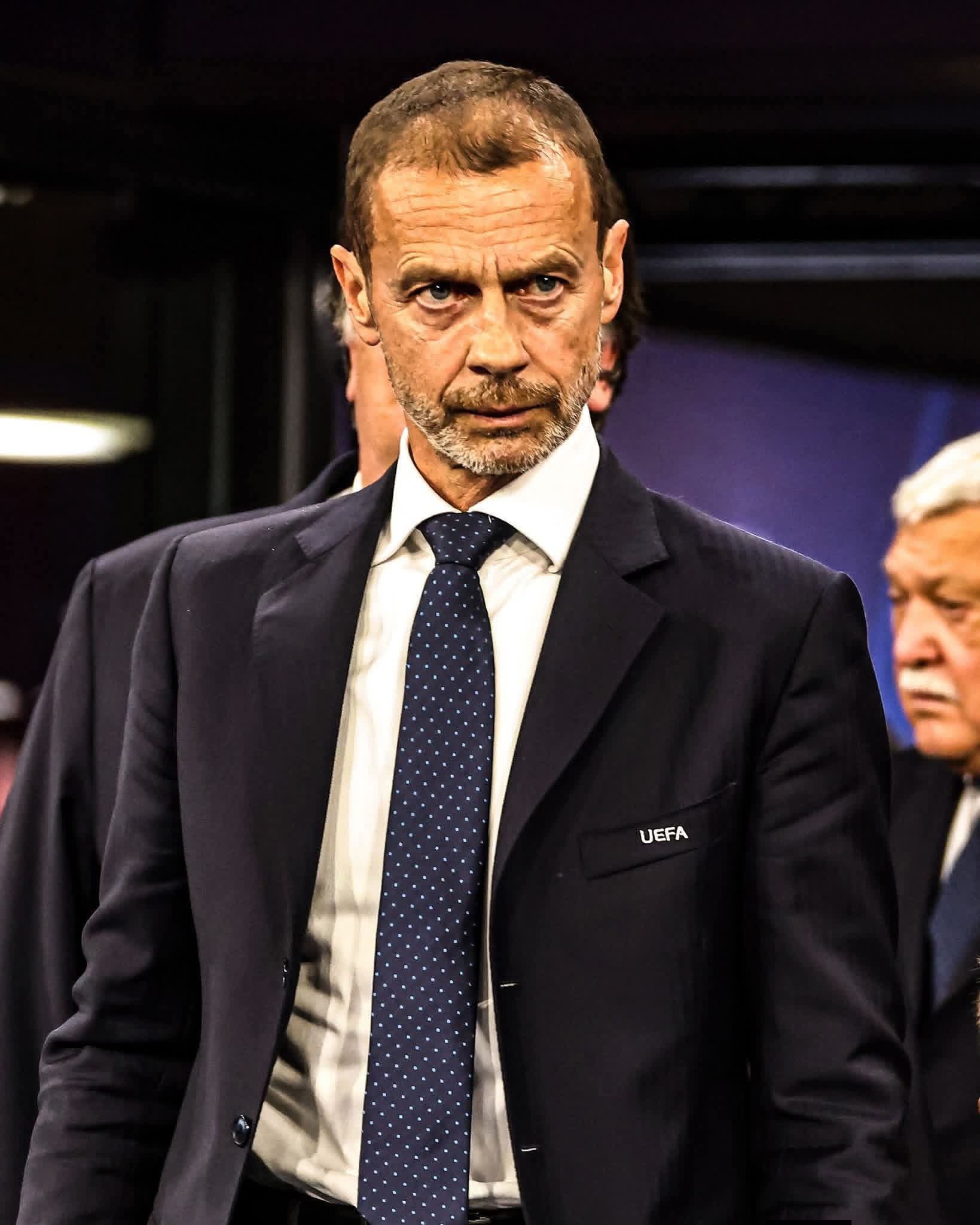
Thirteen national football federations have come together to defend the value of every World Cup match after reported comments attributed to UEFA President Aleksander Čeferin suggested that the expansion of the tournament to 48 teams would create “uninteresting” games.
The federations of South Africa, Algeria, Cape Verde, DR Congo, Ivory Coast, Curaçao, Egypt, Ghana, Haiti, Morocco, Uzbekistan, Senegal, and Tunisia released a joint statement rejecting the notion that any World Cup fixture is insignificant.
Their message was clear: football’s greatest tournament belongs to the world, not just to a select group of traditional powers.
“For our countries, there is no such thing as an unimportant World Cup match,” the statement declared.
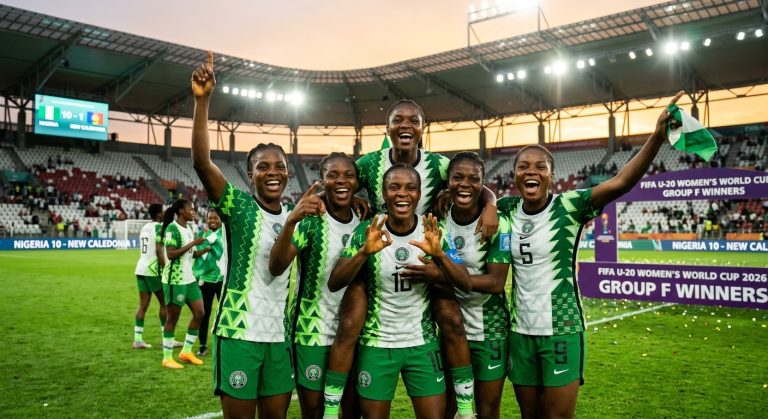
For emerging football nations such as Cape Verde, Curaçao, and Uzbekistan, reaching the World Cup represents the realization of dreams that have been passed down through generations. For countries like DR Congo and Haiti, returning to football’s biggest stage after years away carries enormous emotional significance for millions of supporters.
The statement emphasized that qualification for the World Cup is earned through years of sacrifice, investment, and hard work by players, coaches, administrators, and fans. Every nation that reaches the tournament has overcome challenges and deserves respect.
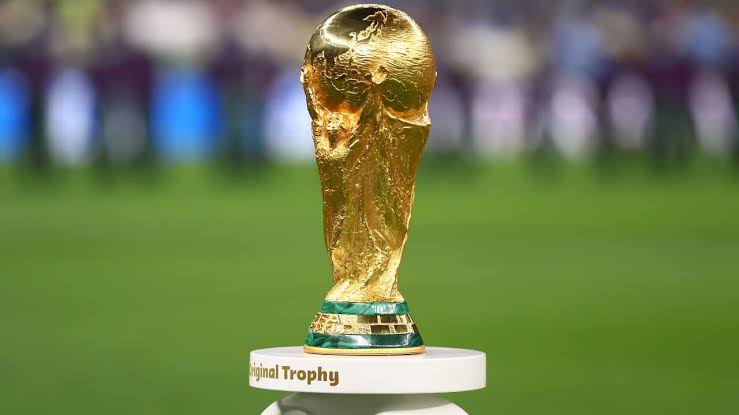
The federations also highlighted a fundamental truth about football: its power lies in its universality. The World Cup has become the most watched sporting event on the planet because it brings together nations with different cultures, histories, and football journeys.
For many countries, simply participating in the World Cup can inspire a generation, boost grassroots development, and create memories that last a lifetime.
The controversy has sparked a broader debate about FIFA’s decision to expand the World Cup from 32 to 48 teams. Supporters argue that expansion gives more nations the opportunity to compete on the global stage, while critics fear it could reduce the overall competitiveness of some matches.
Adding another layer to the story, UEFA has denied that Aleksander Čeferin made the comments attributed to him, creating uncertainty over the origin and context of the remarks.
Regardless of where the truth ultimately lies, the response from the 13 federations has sent a powerful message to the football world:
Every nation that qualifies has earned its place.
Every supporter has the right to dream.
And every World Cup match matters.
As the 2026 World Cup continues, the debate over expansion may continue, but one thing remains certain: for millions of fans across Africa, Asia, the Caribbean, and beyond, participation in football’s greatest competition is never “uninteresting.”