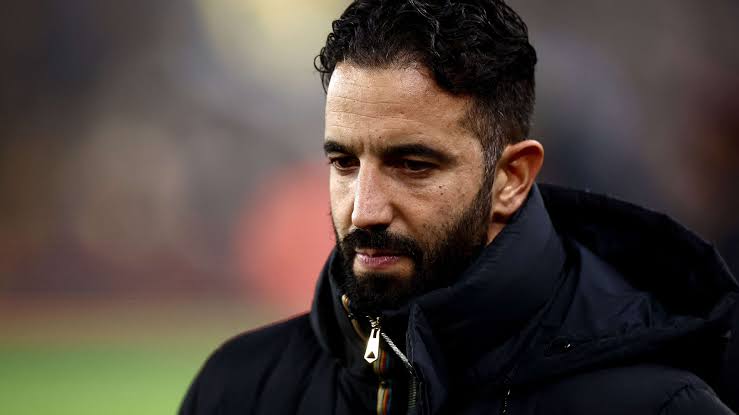
Ruben Amorim Plans 2026/27 Sabbatical: A Strategic Reset or Career Risk
Recent reports suggest that Ruben Amorim is preparing to step away from football management for the entirety of the 2026/27 season a decision that could significantly shape the next phase of his career.
The Reported Plan
According to Goal, citing Portuguese sources, Amorim is planning a formal sabbatical year. Rather than jumping back into management after his departure from Manchester United, the 41-year-old intends to use the time for professional development and reflection.
His goal is not inactivity, but recalibration. Reports indicate he wants to:
Study different coaching methodologies
Engage with managers he considers role models
Analyze the shortcomings of his recent tenure
Refine his tactical and leadership approach
Context: A Turbulent Spell in England
Amorim’s decision does not come in isolation. His stint at Manchester United ended after just 14 months, following inconsistent results and mounting pressure. The club ultimately parted ways with him during the 2025/26 season, marking a sharp contrast to his earlier success in Portugal.
This downturn appears to have influenced his current thinking: rather than rushing into another high-stakes role, he is opting for a deliberate pause.
Why a Sabbatical Makes Sense
In modern football, managerial careers are increasingly volatile. A sabbatical once rare is now a strategic tool. For Amorim, this move offers:
Reputation management: Avoiding another premature or ill-fitting job
Tactical evolution: Time to adapt beyond his previously rigid systems
Mental reset: Stepping away from the pressure cycle of elite football
Notably, reports suggest he is not actively encouraging job offers, although a compelling opportunity could still change his plans.
While the benefits are clear, the decision carries risk. Football moves quickly, and a year away could:
Reduce his visibility among top clubs
Allow emerging managers to overtake him in the hiring hierarchy
However, if used effectively, this period could mirror the career resets seen in other elite coaches who returned stronger after time off.
Amorim’s planned sabbatical is less about stepping back and more about stepping smarter. In an industry that often rewards immediacy, his choice signals patience and long-term thinking.
The real question is not whether he returns but what version of Ruben Amorim returns in 2027.